
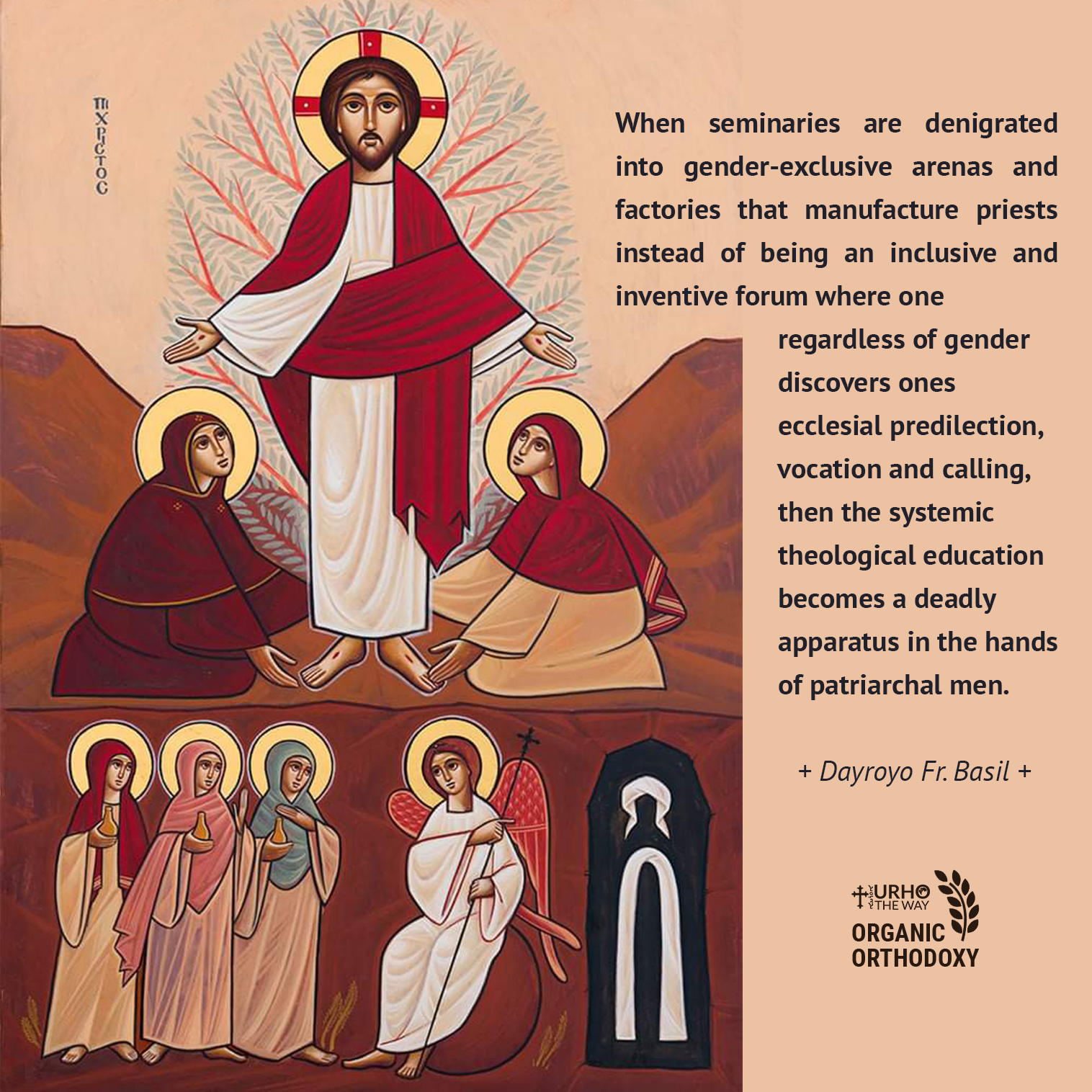
As we commemorate the Nativity of Virgin Mary I cannot keep myself from thinking that how hypocritical it is of us to venerate a woman as the Mother of God and yet divest our daughters and sisters of the opportunity for theological education and liturgical honours! All seminaries which are yet to open its doors to female students are held culpable here. These all-boys seminaries function as a men’s club where women are exiled from gaining knowledge, holding power and making decisions for the church.
The word seminary is derived from the Latin 𝘴𝘦𝘮𝘪𝘯𝘢𝘳𝘪𝘶𝘮 meaning ‘a seed plot’ which entails a disposition of diversity as each seed sown would bear distinct fruits. However, disconcertingly this seed plot has been colonized by clerics both incumbent and prospective. Clericalism itself is an imperial vestige which came into existence with the fusion of church and empire. As Joe Holland, a Catholic theologian writes in his book “The Cruel Eleventh-Century Imposition of Western Clerical Celibacy”;
“𝘐𝘯 𝘵𝘩𝘢𝘵 𝘧𝘶𝘴𝘪𝘰𝘯, 𝘵𝘩𝘦 𝘭𝘦𝘢𝘥𝘦𝘳𝘴𝘩𝘪𝘱 𝘰𝘧 𝘵𝘩𝘦 𝘙𝘰𝘮𝘢𝘯 𝘌𝘮𝘱𝘪𝘳𝘦 𝘵𝘳𝘢𝘯𝘴𝘧𝘦𝘳𝘳𝘦𝘥 𝘪𝘮𝘱𝘦𝘳𝘪𝘢𝘭 “𝘩𝘪𝘦𝘳𝘢𝘳𝘤𝘩𝘪𝘤𝘢𝘭” 𝘱𝘳𝘪𝘷𝘪𝘭𝘦𝘨𝘦𝘴 𝘧𝘳𝘰𝘮 𝘵𝘩𝘦 𝘱𝘢𝘨𝘢𝘯 𝘱𝘳𝘪𝘦𝘴𝘵𝘩𝘰𝘰𝘥 𝘵𝘰 𝘵𝘩𝘦 𝘰𝘳𝘥𝘢𝘪𝘯𝘦𝘥 𝘴𝘦𝘳𝘷𝘢𝘯𝘵-𝘭𝘦𝘢𝘥𝘦𝘳𝘴 𝘰𝘧 𝘵𝘩𝘦 𝘊𝘩𝘶𝘳𝘤𝘩. 𝘛𝘩𝘦 𝘯𝘦𝘸 𝘪𝘮𝘱𝘦𝘳𝘪𝘢𝘭 “𝘤𝘭𝘦𝘳𝘨𝘺” 𝘸𝘦𝘳𝘦 𝘭𝘦𝘨𝘢𝘭𝘭𝘺 𝘦𝘮𝘱𝘰𝘸𝘦𝘳𝘦𝘥 𝘵𝘰 𝘳𝘶𝘭𝘦 𝘰𝘷𝘦𝘳 𝘵𝘩𝘦 𝘯𝘰𝘯-𝘤𝘭𝘦𝘳𝘪𝘤𝘢𝘭 “𝘭𝘢𝘪𝘵𝘺.” 𝘗𝘳𝘪𝘰𝘳 𝘵𝘰 𝘵𝘩𝘪𝘴 𝘥𝘦𝘷𝘦𝘭𝘰𝘱𝘮𝘦𝘯𝘵, 𝘵𝘩𝘦 𝘦𝘯𝘵𝘪𝘳𝘦 𝘤𝘩𝘶𝘳𝘤𝘩 (𝘮𝘦𝘢𝘯𝘪𝘯𝘨 𝘣𝘰𝘵𝘩 𝘰𝘳𝘥𝘢𝘪𝘯𝘦𝘥 𝘴𝘦𝘳𝘷𝘢𝘯𝘵-𝘭𝘦𝘢𝘥𝘦𝘳𝘴 𝘢𝘯𝘥 𝘵𝘩𝘦 𝘦𝘯𝘵𝘪𝘳𝘦 𝘮𝘦𝘮𝘣𝘦𝘳𝘴𝘩𝘪𝘱) 𝘩𝘢𝘥 𝘣𝘦𝘦𝘯 𝘶𝘯𝘥𝘦𝘳𝘴𝘵𝘰𝘰𝘥 𝘢𝘴 𝘣𝘰𝘵𝘩 𝘴𝘢𝘤𝘳𝘦𝘥𝘭𝘺 𝘭𝘢𝘺 (𝘵𝘩𝘦 𝘩𝘰𝘭𝘺 𝘭𝘢𝘰𝘴) 𝘢𝘯𝘥 𝘢𝘴 𝘥𝘪𝘷𝘪𝘯𝘦𝘭𝘺 𝘤𝘩𝘰𝘴𝘦𝘯 (𝘵𝘩𝘦 𝘩𝘰𝘭𝘺 𝘬𝘭𝘦𝘳𝘰𝘴).”
Therefore clericalism has invaded and reduced seminary a potentially diverse space into a homogeneous ghetto denuding it of all possible prophetic witness. When seminaries are denigrated into gender-exclusive arenas and factories that manufacture priests instead of being an inclusive and inventive forum where one regardless of gender discovers ones ecclesial predilection, vocation and calling then the systemic theological education becomes a deadly apparatus in the hands of patriarchal men. Fr. Alexander Schmemann observes;
“𝘛𝘩𝘦 𝘵𝘳𝘢𝘨𝘦𝘥𝘺 𝘰𝘧 𝘵𝘩𝘦𝘰𝘭𝘰𝘨𝘪𝘤𝘢𝘭 𝘦𝘥𝘶𝘤𝘢𝘵𝘪𝘰𝘯 𝘭𝘪𝘦𝘴 𝘪𝘯 𝘵𝘩𝘦 𝘧𝘢𝘤𝘵 𝘵𝘩𝘢𝘵 𝘺𝘰𝘶𝘯𝘨 𝘱𝘦𝘰𝘱𝘭𝘦 𝘸𝘩𝘰 𝘴𝘦𝘦𝘬 𝘱𝘳𝘪𝘦𝘴𝘵𝘩𝘰𝘰𝘥 𝘢𝘳𝘦 – 𝘤𝘰𝘯𝘴𝘤𝘪𝘰𝘶𝘴𝘭𝘺 𝘰𝘳 𝘶𝘯𝘤𝘰𝘯𝘴𝘤𝘪𝘰𝘶𝘴𝘭𝘺 – 𝘴𝘦𝘦𝘬𝘪𝘯𝘨 𝘵𝘩𝘪𝘴 𝘴𝘦𝘱𝘢𝘳𝘢𝘵𝘪𝘰𝘯, 𝘱𝘰𝘸𝘦𝘳, 𝘵𝘩𝘪𝘴 𝘳𝘪𝘴𝘪𝘯𝘨 𝘢𝘣𝘰𝘷𝘦 𝘵𝘩𝘦 𝘭𝘢𝘪𝘵𝘺, 𝘛𝘩𝘦𝘪𝘳 𝘵𝘩𝘪𝘳𝘴𝘵 𝘪𝘴 𝘴𝘵𝘳𝘦𝘯𝘨𝘵𝘩𝘦𝘯𝘦𝘥 𝘢𝘯𝘥 𝘨𝘦𝘯𝘦𝘳𝘢𝘵𝘦𝘥 𝘣𝘺 𝘵𝘩𝘦 𝘸𝘩𝘰𝘭𝘦 𝘴𝘺𝘴𝘵𝘦𝘮 𝘰𝘧 𝘵𝘩𝘦𝘰𝘭𝘰𝘨𝘪𝘤𝘢𝘭 𝘦𝘥𝘶𝘤𝘢𝘵𝘪𝘰𝘯, 𝘰𝘧 𝘤𝘭𝘦𝘳𝘪𝘤𝘢𝘭𝘪𝘴𝘮. 𝘏𝘰𝘸 𝘤𝘢𝘯 𝘵𝘩𝘦𝘺 𝘣𝘦 𝘮𝘢𝘥𝘦 𝘵𝘰 𝘶𝘯𝘥𝘦𝘳𝘴𝘵𝘢𝘯𝘥, 𝘯𝘰𝘵 𝘰𝘯𝘭𝘺 𝘸𝘪𝘵𝘩 𝘵𝘩𝘦𝘪𝘳 𝘮𝘪𝘯𝘥𝘴 𝘣𝘶𝘵 𝘸𝘪𝘵𝘩 𝘵𝘩𝘦𝘪𝘳 𝘸𝘩𝘰𝘭𝘦 𝘣𝘦𝘪𝘯𝘨 𝘵𝘩𝘢𝘵 𝘰𝘯𝘦 𝘮𝘶𝘴𝘵 𝘳𝘶𝘯 𝘢𝘸𝘢𝘺 𝘧𝘳𝘰𝘮 𝘱𝘰𝘸𝘦𝘳, 𝘢𝘯𝘺 𝘱𝘰𝘸𝘦𝘳, 𝘵𝘩𝘢𝘵 𝘪𝘴 𝘢𝘭𝘸𝘢𝘺𝘴 𝘢 𝘵𝘦𝘮𝘱𝘵𝘢𝘵𝘪𝘰𝘯, 𝘢𝘭𝘸𝘢𝘺𝘴 𝘧𝘳𝘰𝘮 𝘵𝘩𝘦 𝘥𝘦𝘷𝘪𝘭.”
How may I ask the church to open the doors of its altars to her daughters by revitalizing and reclaiming its legacy of the Holy Order of Female Diaconate if she does not even bother to open the doors of seminaries to them?
It is probably because men keep women away from God that God visits them personally.
When men have to ascend mountains to commune with God (Moses-Sinai; Elijah-Horeb; Peter, James and John – Tabor) God comes to women in their workspaces amidst their work.
• God met Hagar in wilderness. Hagar was the first person to name God. El Roi – “the one who sees” (Gen 16:13).
• Jesus visited Mary and Martha in Bethany. Mary sat at the feet of Jesus while Martha was engaged in household chores. Yet it was not Mary but Martha whose Christological proclamation superseded that of Peter compelling St. John to include it in his gospel dropping the proclamation of Peter. (John 11:27). Martha’s sublime Christological proclamation is an insult to all those men and women who belittle household chores, homemakers and their theophanic prospects.
• Jesus visited and resurrected the daughter of Jairus.
• Jesus waited for the Samaritan woman by the well. Incidentally, the longest theological discourse recorded in the Scripture is between Jesus and the Samaritan woman.
• Jesus confronted and ennobled the Canaanite women with a unique title “Daughter of Abraham”.
• Finally despite there being twelve male apostles, Jesus chose a woman to proclaim his resurrection.
Thus God’s sovereignty and freedom are subjected neither to the insecurities of men nor the interests of institutions.
In Christ
𝐃𝐚𝐲𝐫𝐨𝐲𝐨 𝐅𝐫. 𝐁𝐚𝐬𝐢𝐥
 Urho, The Way