
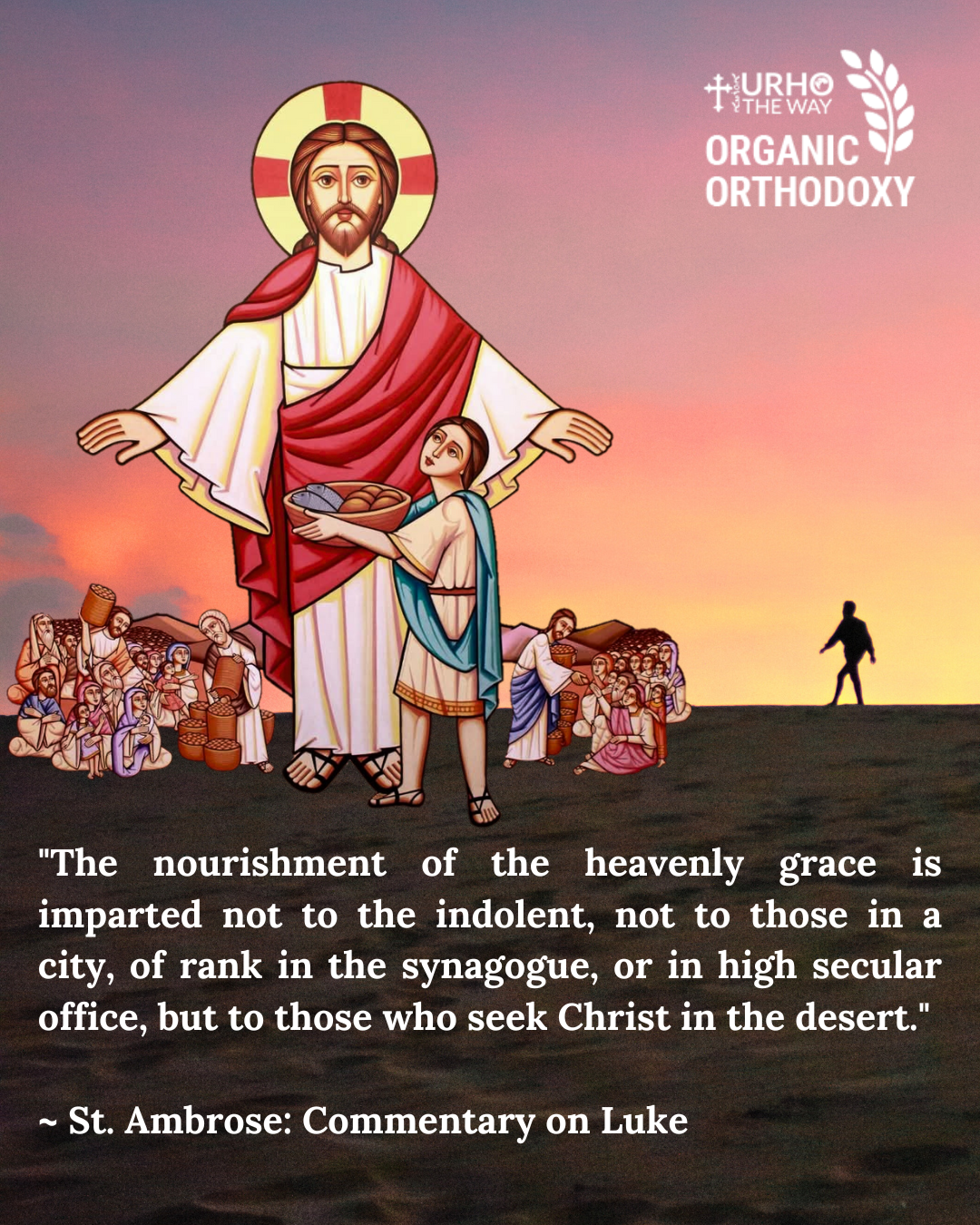
On hearing the execution of St. John the Baptist, Christ withdraws into a deserted place for He knows that He is next. This is not a timorous fleeing rather a strategic avoidance of His persecutors. Fleeing and withdrawing are two distinct approaches. Mind you, bravery is not stupidity. Moreover, we need not invariably embrace all the sufferings life hurls at us. If they can be swerved, go for it. This is what Christ teaches us; “𝘞𝘩𝘦𝘯 𝘵𝘩𝘦𝘺 𝘱𝘦𝘳𝘴𝘦𝘤𝘶𝘵𝘦 𝘺𝘰𝘶 𝘪𝘯 𝘰𝘯𝘦 𝘵𝘰𝘸𝘯, 𝘧𝘭𝘦𝘦 𝘵𝘰 𝘵𝘩𝘦 𝘯𝘦𝘹𝘵.” (𝘔𝘢𝘵𝘵. 10:23).
There is nothing more toxic than suffering for the sake of suffering. Christ never romanticized suffering else He would not have healed or fed anyone. In fact, the very objective of His advent was to unfetter; “𝘵𝘰 𝘣𝘳𝘪𝘯𝘨 𝘨𝘰𝘰𝘥 𝘯𝘦𝘸𝘴 𝘵𝘰 𝘵𝘩𝘦 𝘱𝘰𝘰𝘳, 𝘵𝘰 𝘱𝘳𝘰𝘤𝘭𝘢𝘪𝘮 𝘳𝘦𝘭𝘦𝘢𝘴𝘦 𝘵𝘰 𝘵𝘩𝘦 𝘤𝘢𝘱𝘵𝘪𝘷𝘦𝘴, 𝘵𝘰 𝘳𝘦𝘤𝘰𝘷𝘦𝘳 𝘵𝘩𝘦 𝘴𝘪𝘨𝘩𝘵 𝘰𝘧 𝘵𝘩𝘦 𝘣𝘭𝘪𝘯𝘥, 𝘵𝘰 𝘭𝘦𝘵 𝘵𝘩𝘦 𝘰𝘱𝘱𝘳𝘦𝘴𝘴𝘦𝘥 𝘨𝘰 𝘧𝘳𝘦𝘦” (𝘓𝘬 4:18). It is us who have honed the craft of capitalizing the suffering of others thereby propelling the vicious cycle of violence. For instance, creating wars to expand the market of ammunitions.
Christ transmutes the places deserted by worldly wisdom into sites of theophany. He who showered Manna for the Israelites in a desert, chooses a desert itself to ungrudgingly multiply the loaves of bread. Thus St. Ambrose observes; “𝘛𝘩𝘦 𝘯𝘰𝘶𝘳𝘪𝘴𝘩𝘮𝘦𝘯𝘵 𝘰𝘧 𝘵𝘩𝘦 𝘩𝘦𝘢𝘷𝘦𝘯𝘭𝘺 𝘨𝘳𝘢𝘤𝘦 𝘪𝘴 𝘪𝘮𝘱𝘢𝘳𝘵𝘦𝘥 𝘯𝘰𝘵 𝘵𝘰 𝘵𝘩𝘦 𝘪𝘯𝘥𝘰𝘭𝘦𝘯𝘵, 𝘯𝘰𝘵 𝘵𝘰 𝘵𝘩𝘰𝘴𝘦 𝘪𝘯 𝘢 𝘤𝘪𝘵𝘺, 𝘰𝘧 𝘳𝘢𝘯𝘬 𝘪𝘯 𝘵𝘩𝘦 𝘴𝘺𝘯𝘢𝘨𝘰𝘨𝘶𝘦, 𝘰𝘳 𝘪𝘯 𝘩𝘪𝘨𝘩 𝘴𝘦𝘤𝘶𝘭𝘢𝘳 𝘰𝘧𝘧𝘪𝘤𝘦, 𝘣𝘶𝘵 𝘵𝘰 𝘵𝘩𝘰𝘴𝘦 𝘸𝘩𝘰 𝘴𝘦𝘦𝘬 𝘊𝘩𝘳𝘪𝘴𝘵 𝘪𝘯 𝘵𝘩𝘦 𝘥𝘦𝘴𝘦𝘳𝘵.” Christ is more often encountered in the heat of adversity than in the breeze of comfort.
Satisfying those who hunger and thirst constitutes the shepherd identity of Christ. As the Psalmist mentions; “𝘍𝘰𝘳 𝘩𝘦 𝘴𝘢𝘵𝘪𝘴𝘧𝘪𝘦𝘴 𝘵𝘩𝘦 𝘵𝘩𝘪𝘳𝘴𝘵𝘺, 𝘢𝘯𝘥 𝘵𝘩𝘦 𝘩𝘶𝘯𝘨𝘳𝘺 𝘩𝘦 𝘧𝘪𝘭𝘭𝘴 𝘸𝘪𝘵𝘩 𝘨𝘰𝘰𝘥 𝘵𝘩𝘪𝘯𝘨𝘴” (𝘗𝘴. 107:9). Also; “𝘛𝘩𝘦 𝘱𝘰𝘰𝘳 𝘴𝘩𝘢𝘭𝘭 𝘦𝘢𝘵 𝘢𝘯𝘥 𝘣𝘦 𝘴𝘢𝘵𝘪𝘴𝘧𝘪𝘦𝘥; 𝘵𝘩𝘰𝘴𝘦 𝘸𝘩𝘰 𝘴𝘦𝘦𝘬 𝘩𝘪𝘮 𝘴𝘩𝘢𝘭𝘭 𝘱𝘳𝘢𝘪𝘴𝘦 𝘵𝘩𝘦 𝘓𝘰𝘳𝘥. 𝘔𝘢𝘺 𝘺𝘰𝘶𝘳 𝘩𝘦𝘢𝘳𝘵𝘴 𝘭𝘪𝘷𝘦 𝘧𝘰𝘳𝘦𝘷𝘦𝘳!” (𝘗𝘴. 22:26).
One of the chief identifiers of the false shepherds which the Scripture adverts to is that they feed themselves instead of feeding the sheep.
“𝘔𝘰𝘳𝘵𝘢𝘭, 𝘱𝘳𝘰𝘱𝘩𝘦𝘴𝘺 𝘢𝘨𝘢𝘪𝘯𝘴𝘵 𝘵𝘩𝘦 𝘴𝘩𝘦𝘱𝘩𝘦𝘳𝘥𝘴 𝘰𝘧 𝘐𝘴𝘳𝘢𝘦𝘭; 𝘱𝘳𝘰𝘱𝘩𝘦𝘴𝘺 𝘢𝘯𝘥 𝘴𝘢𝘺 𝘵𝘰 𝘵𝘩𝘦𝘮: 𝘛𝘰 𝘵𝘩𝘦 𝘴𝘩𝘦𝘱𝘩𝘦𝘳𝘥𝘴 – 𝘵𝘩𝘶𝘴 𝘴𝘢𝘺𝘴 𝘵𝘩𝘦 𝘓𝘰𝘳𝘥 𝘎𝘰𝘥: 𝘞𝘰𝘦, 𝘺𝘰𝘶 𝘴𝘩𝘦𝘱𝘩𝘦𝘳𝘥𝘴 𝘰𝘧 𝘐𝘴𝘳𝘢𝘦𝘭 𝘸𝘩𝘰 𝘩𝘢𝘷𝘦 𝘣𝘦𝘦𝘯 𝘧𝘦𝘦𝘥𝘪𝘯𝘨 𝘺𝘰𝘶𝘳𝘴𝘦𝘭𝘷𝘦𝘴! 𝘚𝘩𝘰𝘶𝘭𝘥 𝘯𝘰𝘵 𝘴𝘩𝘦𝘱𝘩𝘦𝘳𝘥𝘴 𝘧𝘦𝘦𝘥 𝘵𝘩𝘦 𝘴𝘩𝘦𝘦𝘱? 𝘠𝘰𝘶 𝘦𝘢𝘵 𝘵𝘩𝘦 𝘧𝘢𝘵; 𝘺𝘰𝘶 𝘤𝘭𝘰𝘵𝘩𝘦 𝘺𝘰𝘶𝘳𝘴𝘦𝘭𝘷𝘦𝘴 𝘸𝘪𝘵𝘩 𝘵𝘩𝘦 𝘸𝘰𝘰𝘭; 𝘺𝘰𝘶 𝘴𝘭𝘢𝘶𝘨𝘩𝘵𝘦𝘳 𝘵𝘩𝘦 𝘧𝘢𝘵𝘵𝘦𝘥 𝘤𝘢𝘭𝘷𝘦𝘴, 𝘣𝘶𝘵 𝘺𝘰𝘶 𝘥𝘰 𝘯𝘰𝘵 𝘧𝘦𝘦𝘥 𝘵𝘩𝘦 𝘴𝘩𝘦𝘦𝘱.” (𝘌𝘻 34:2,3).
Christ, by feeding the hungry crowd accentuates that He is indeed the True and Good Shepherd.
Unlike Matthew, the Gospel of John specifies that Jesus used barley bread to feed the multitude (John 6:9). Barley bread holds a significant place in the biblical narratives. Barley – a staple in ancient Israel – was a hardy grain and was one of the first cultivated grains in the Near East. It was the bread of the poor owing to its affordability over wheat.
The prophet Ezekiel was asked to consume barley bread in anticipation of the siege of Jerusalem and the exile of the Israelites as well as the extremely deplorable conditions they would have to face.
“𝘛𝘩𝘦 𝘓𝘰𝘳𝘥 𝘴𝘢𝘪𝘥, ‘𝘈𝘯𝘥 𝘺𝘰𝘶, 𝘵𝘢𝘬𝘦 𝘸𝘩𝘦𝘢𝘵 𝘢𝘯𝘥 𝘣𝘢𝘳𝘭𝘦𝘺, 𝘣𝘦𝘢𝘯𝘴 𝘢𝘯𝘥 𝘭𝘦𝘯𝘵𝘪𝘭𝘴, 𝘮𝘪𝘭𝘭𝘦𝘵 𝘢𝘯𝘥 𝘴𝘱𝘦𝘭𝘵; 𝘱𝘶𝘵 𝘵𝘩𝘦𝘮 𝘪𝘯𝘵𝘰 𝘰𝘯𝘦 𝘷𝘦𝘴𝘴𝘦𝘭 𝘢𝘯𝘥 𝘮𝘢𝘬𝘦 𝘣𝘳𝘦𝘢𝘥 𝘧𝘰𝘳 𝘺𝘰𝘶𝘳𝘴𝘦𝘭𝘧. 𝘋𝘶𝘳𝘪𝘯𝘨 𝘵𝘩𝘦 𝘯𝘶𝘮𝘣𝘦𝘳 𝘰𝘧 𝘥𝘢𝘺𝘴 𝘵𝘩𝘢𝘵 𝘺𝘰𝘶 𝘭𝘪𝘦 𝘰𝘯 𝘺𝘰𝘶𝘳 𝘴𝘪𝘥𝘦, 𝘵𝘩𝘳𝘦𝘦 𝘩𝘶𝘯𝘥𝘳𝘦𝘥 𝘯𝘪𝘯𝘦𝘵𝘺 𝘥𝘢𝘺𝘴, 𝘺𝘰𝘶 𝘴𝘩𝘢𝘭𝘭 𝘦𝘢𝘵 𝘪𝘵…𝘠𝘰𝘶 𝘴𝘩𝘢𝘭𝘭 𝘦𝘢𝘵 𝘪𝘵 𝘢𝘴 𝘢 𝘣𝘢𝘳𝘭𝘦𝘺 𝘤𝘢𝘬𝘦, 𝘣𝘢𝘬𝘪𝘯𝘨 𝘪𝘵 𝘪𝘯 𝘵𝘩𝘦𝘪𝘳 𝘴𝘪𝘨𝘩𝘵 𝘰𝘯 𝘩𝘶𝘮𝘢𝘯 𝘥𝘶𝘯𝘨.” (𝘌𝘻 4:9-13, 17)
Judges 7:13 records a Midianite soldier narrating his comrade of a symbolic dream he had in which a loaf of barley bread tumbled into the Midianite camp causing the tent to collapse. Gideon interpreted this dream as a sign of God’s deliverance of Israel through his leadership, despite the humble and seemingly insignificant nature of barley-bread.
In yet another fascinating narrative we find prophet Elisha feeding 100 people with 20 loaves of barley bread. (2 Kings 4:42-44).
Therefore, since Jesus multiplied the barley bread, it can be inferred that the majority of the population gathered there was poor. This is displayed in the request put forward by the disciples to Jesus; “𝘚𝘦𝘯𝘥 𝘵𝘩𝘦 𝘤𝘳𝘰𝘸𝘥𝘴 𝘢𝘸𝘢𝘺 𝘴𝘰 𝘵𝘩𝘢𝘵 𝘵𝘩𝘦𝘺 𝘮𝘢𝘺 𝘨𝘰 𝘪𝘯𝘵𝘰 𝘵𝘩𝘦 𝘷𝘪𝘭𝘭𝘢𝘨𝘦𝘴 𝘢𝘯𝘥 𝘣𝘶𝘺 𝘧𝘰𝘰𝘥 𝘧𝘰𝘳 𝘵𝘩𝘦𝘮𝘴𝘦𝘭𝘷𝘦𝘴” (𝘔𝘢𝘵𝘵. 14:15). Their proposition to buy food from the villages rather than cities underscores the economic potential of the gathering.
God uses inconsequential places, resources and people to reveal his works and power. It is among the disenfranchised, discarded and defiled that we meet God at His best.
~ 𝐃𝐚𝐲𝐫𝐨𝐲𝐨 𝐅𝐫. 𝐁𝐚𝐬𝐢𝐥

